
After the success of last year’s large-scale replication of Kahneman and Tversky’s foundational work on Prospect Theory, published in Nature Human Behaviour, large-scale replications have now become the new focus of the annual JRP internship.
The theme of this year’s replication study was chosen to address the pressing issue of political polarisation in the US and across the world. Our researchers attempted to replicate a 2020 study by Dr Jeffrey Lees and Dr Mina Cikara, which was crucial for highlighting and addressing the issue through one potential intervention to mitigate the exaggeration of polarisation. The authors found that people tend to overestimate the negativity felt by other groups toward their views, such as a liberal group overestimating the negativity of conservatives toward a specific policy. They then found that such inaccuracies could be reduced (modestly) by informing people of the out-group’s true perceptions. The main aim of the replication was to examine to what extent these findings can be generalised to a number of other countries and political environments.
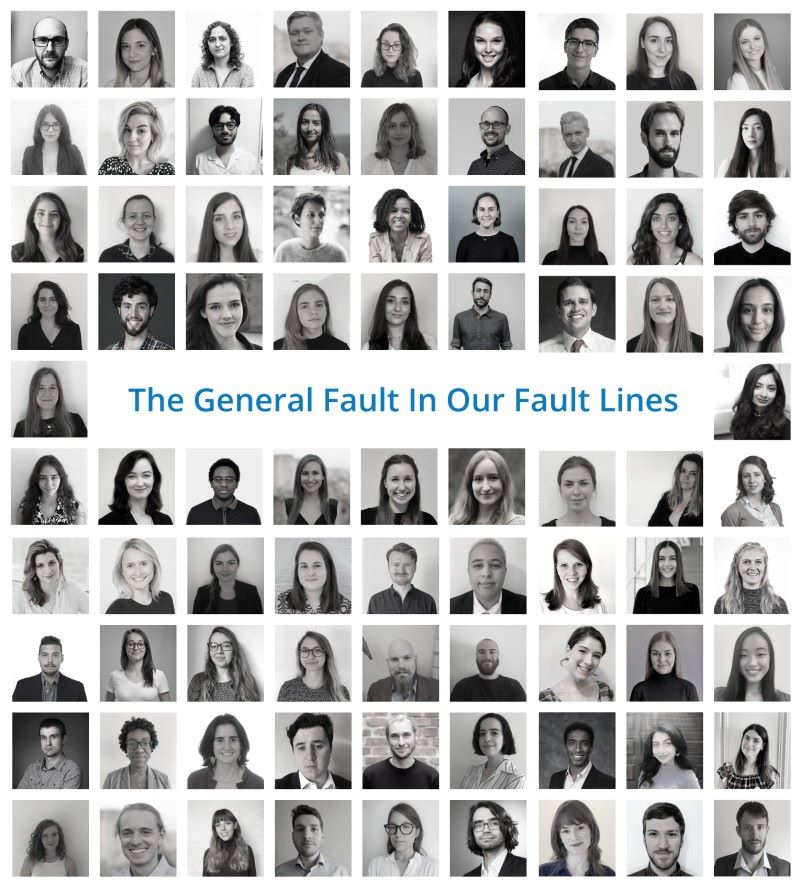
Led by Kai Ruggeri, this year’s collaboration involved 82 co-authors from 42 institutions, including 16 interns from the 2019-2020 cohort, 14 GLOBES students, 43 JRP alumni, Dr Mina Cikara and Dr Jeff Lees (authors of the original paper), and additional collaborators that supported widening participation of the research. They faced the usual challenges involved in conducting a large-scale international study, such as the administrative effort required for the coordination of such a large group of people, the preparation of data collection tools, as well as translation and adaptation of the study materials to the lоcal political context for each of the countries. Additionally, due to COVID-19, this was also the first time the internship was conducted remotely – including timezones from Honolulu to Istanbul, which imposed additional obstacles.
In spite of all the challenges and thanks to the combined effort of the collaborators, the study was successfully completed. Our researchers replicated experiments from the original paper, testing the findings in 10,207 participants from 26 countries, and found them generalisable across almost all the countries included in the study!
If you’re curious to find out more about how they achieved this, you can read more about the procedure and implications of the study here and find the preprint of the study in OSF Preprints.
Details on the 2021 internship and updates on the future direction of replication and generalisability within JRP will be shared in the near future, so stay tuned for more!